What Are The Benefits of Pet Therapy for Seniors?
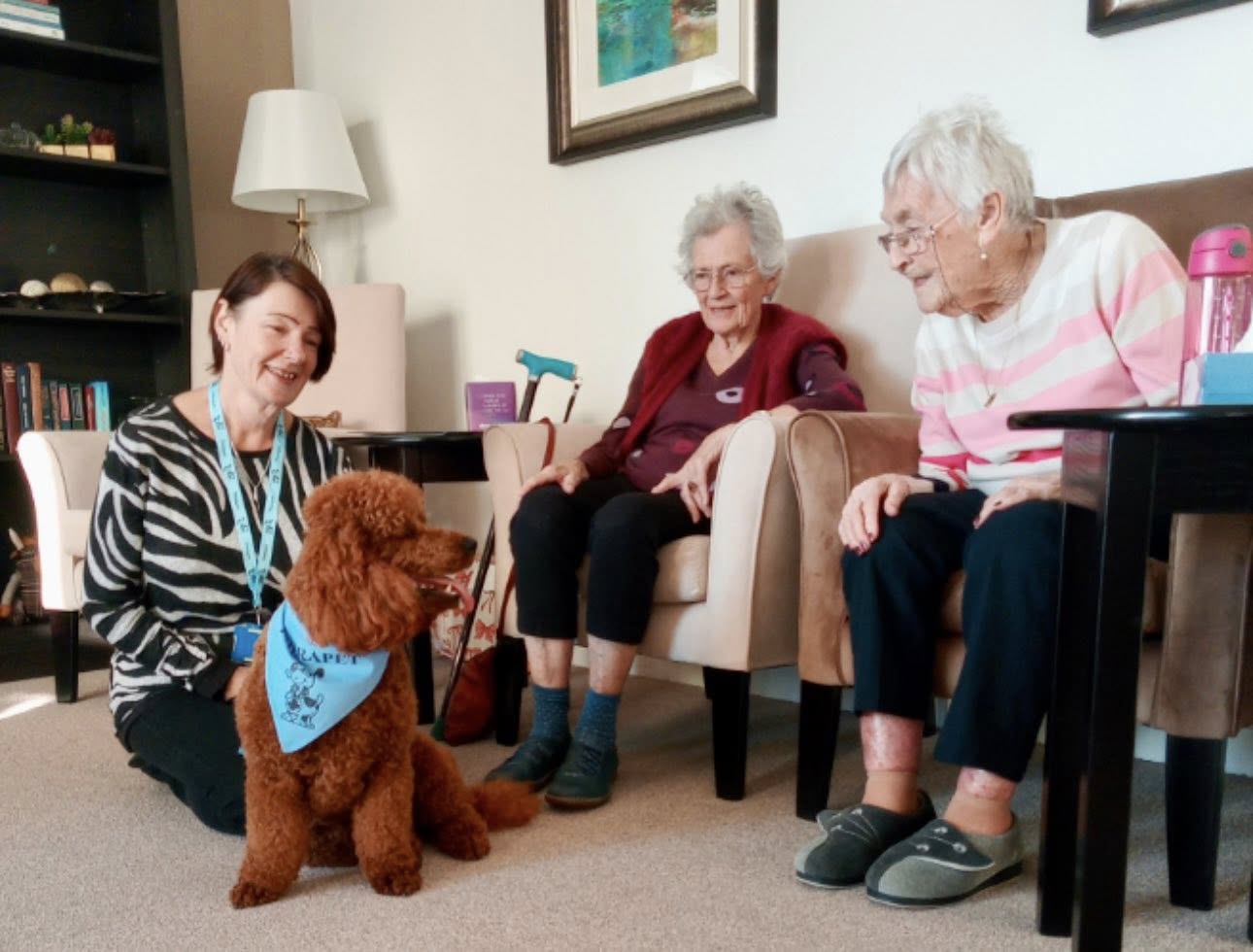
You may have seen photos of older people in care homes smiling with a dog, cat or rabbit, and wondered why so many homes offer pet therapy. It turns out there are a number of huge benefits that can come with interacting with animals, whether it’s an in-house puppy or more exotic visiting creatures. In this blog, we’ll be exploring what pet therapy is and why it is so beneficial for elderly people and those living in care homes.
Pet Therapy in Care Homes
Pet therapy, often called animal-assisted therapy, is a supportive practice used in care homes, usually as part of a wider entertainment and activities programme. Trained animals interact with care home residents to promote emotional, social, and physical wellbeing and can be in-house pets (usually cared for by staff), owned by friends of family of residents brought in by visiting animal handlers. These animals are most commonly dogs but can sometimes be cats, smaller animals such as rabbits, or even gentle exotic animals visiting from a local zoo or conservation.
These interactions are carefully planned and supervised to ensure safety and comfort for both residents and animals, making pet therapy a gentle, non-medical approach that enhances quality of life in care home settings. Dedicated charities such as Pets As Therapy visit care homes schools and hospitals across the UK, and the benefits are widely documented for people of all ages.
Benefits of Pet Therapy
Emotional Wellbeing
Pet therapy in care homes can significantly enhance the emotional wellbeing of patients by helping to reduce stress and anxiety and create feelings of excitement and joy. Interacting with animals has been show to have a calming effect on older people, as gentle touch and companionship can lower feelings of tension and promote relaxation.
At the same time, animals often trigger positive memories of past pets or experiences, encouraging residents to share stories and reflect on meaningful moments from their lives. This process of reminiscence can foster a sense of comfort, identity, and emotional connection, helping residents feel more at ease and emotionally supported within the care home environment.
Combating loneliness and depression
The joint responsibility of caring for an animal can play an important role in combating loneliness and depression by giving elderly people a renewed sense of meaning and purpose. The companionship offered by animals helps residents feel valued and connected, while the unconditional love they provide creates comfort and emotional security.
There’s a reason they are called man’s best friend; therapy dogs offer non-judgmental affection and consistency, which can be especially reassuring for individuals who may feel isolated. Caring interactions such as talking to, stroking or simply spending time with an animal, can help residents feel emotionally fulfilled, supporting improved mood, self-esteem and overall wellbeing.
Improves Cognitive Function
Spending time with a furry friend can help improve cognitive function, particularly for residents living with dementia, by encouraging mental stimulation and engagement. Interacting with animals can prompt attention, focus, and responsiveness, while familiar routines and sensory experiences such as touching fur or giving simple commands, can help activate memory and recognition.
Animals may also encourage communication, even in individuals who struggle with verbal expression, by providing a comforting and non-threatening focus for interaction. These positive experiences can support cognitive engagement, slow cognitive decline and help residents feel more present and connected to their surroundings.
Promoting Physical Activity
As well as emotional wellbeing, pet therapy can also promote physical activity in gentle and enjoyable ways that are well suited to older peoples’ abilities. Activities such as walking a dog in a safe and secure private garden encourage light exercise, improve mobility, and support balance, while also making movement feel purposeful rather than forced.
Stroking and playing with a cat can help maintain flexibility and coordination in the hands and arms, and holding a small animal can support the development of finer motor skills through controlled and repetitive movements. These simple interactions help residents stay physically engaged while also boosting confidence and overall wellbeing.
Encouraging Social Interaction
Pet therapy in care homes can encourage social interaction by creating shared experiences that bring people together. The presence of animals often sparks conversation, helping residents build interpersonal relationships and bond with their peers as they talk about the animals, share memories, and enjoy the experience together.
Interaction with an animal handler also provides opportunities for learning and engagement, especially when exotic animals are brought into the care home, as residents can ask questions, discover new information, and participate in discussions. These social exchanges can help reduce isolation, strengthen connections, and create a more lively and inclusive care home environment.
Challenges of Pet Therapy
With the benefits of pet therapy in mind, it is worth noting that this type of activities may not be suitable for every care home. High-quality care homes will take into account any allergies or those who do not want to interact with animals, so they can be moved away in good time to avoid stress and anxiety.
Care Home in Penicuik
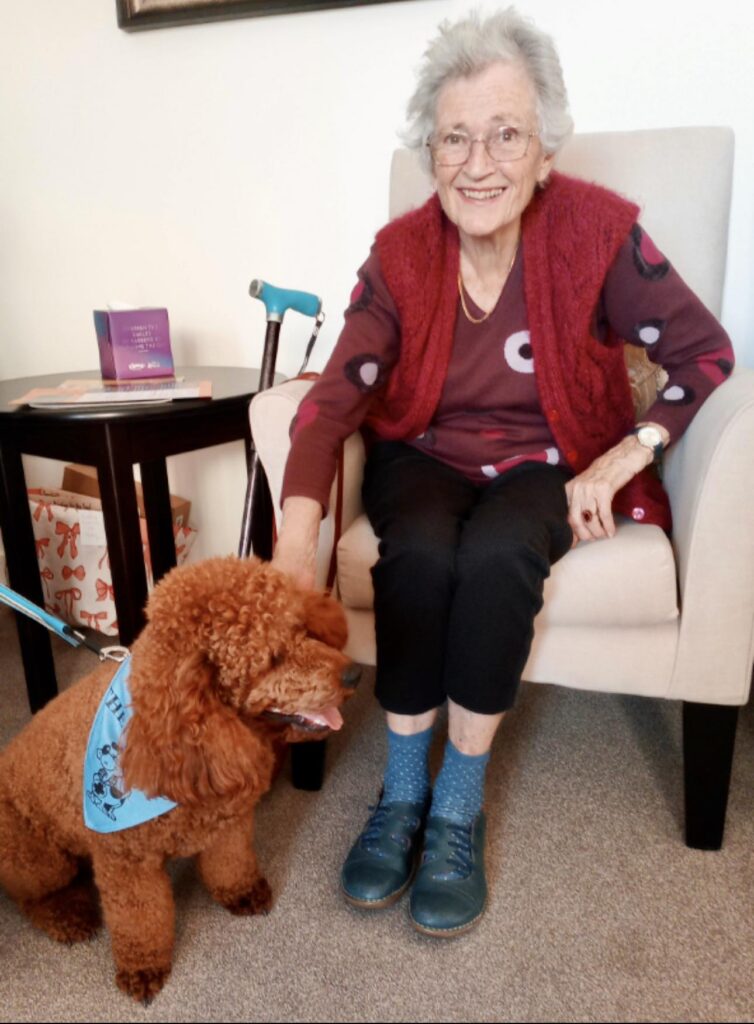
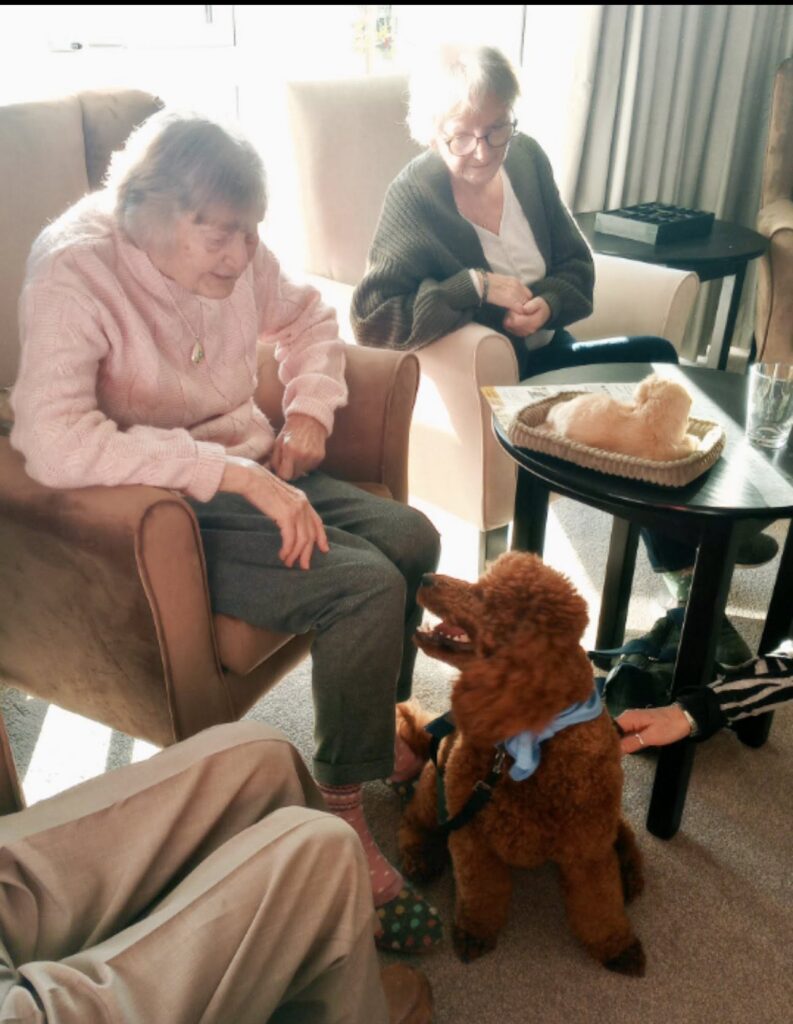
Here at Glencorse Care Home in Penicuik we bring residents and families together with a varied activities programme that includes pet therapy. Our residents loved the visiting animals so much that we now have our very own cuddly member of the Glencorse team, Kyogo the poodle. His gentle, affectionate nature proved an instant hit with our residents and he brings a calming presence to our Midlothian Care Home, where he continues to spread comfort, companionship and joy.
If you’d like to learn more about how we support our residents wellbeing every day, please contact our friendly team today to arrange a home tour. We can’t wait to meet you.